
"knapsack coffee picker"
145300 article(s) found

How coffee beans grow-an introduction to the history of coffee basics
Coffee is grown in 60 or 70 countries in the world, mainly in Asia, Africa and Central and South America. Sweet Home's main product is sweet and warm my heart coffee beans come from these high-quality producing areas. Famous coffee growers such as Brazil, Colombia, Indonesia and so on. Brazil is the world's largest coffee producer, accounting for 1/3 of the world's total output.

Basic knowledge of how to change from grain to cup of coffee
People in Seattle are curious. They want to know where their food comes from. We may know what kind of chicken we eat, or which farm our usual carrots come from, or which beach our oysters for dinner come from. Although Seattle people now prefer locally produced farm and livestock products, the same drink they need every day is another drink from the earth.

Introduction to the processing method of Coffee picking and growing process
Introduction to the processing method of coffee picking and growth in Brazil, people have tried many times to use mechanical picking to reduce these costs. The machine can shake branches across the coffee tree so that the berries that become loose because they are ripe will fall into the funnel. The mechanical picker is only suitable in areas with better natural conditions, and it needs to be adjusted in advance, because only

How many high-quality coffee beans can a coffee tree produce in a year?
A coffee tree can produce a number of high-quality coffee beans a year drying, the operation is relatively simple, the harvested fruit spread on the dry site, in the sun for a week or two, turning when you can hear the sound of clang clang said dried. Then use a hulling machine to remove the flesh, endocarp and silver skin of the dried fruit. This method gives coffee beans a mild acidity and a mild bitterness. Brazil, Egypt

[rainforest Alliance Certification] SHB of Finca San Marcelino Coffee Farm in El Salvador [orange
Professional coffee knowledge exchange more coffee bean information please follow the coffee workshop (Wechat official account cafe_style) [Rainforest Alliance certification] SHB [orange bourbon] coffee beans from the Finca San Marcelino coffee farm in El Salvador taste? El Salvador's 391-member cooperative of small producers has been working on farms since 1980. We are proud
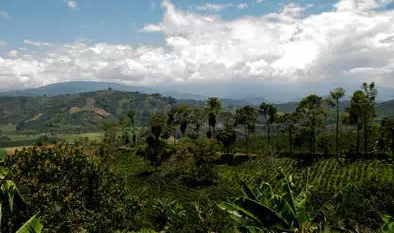
How does a coffee seed become delicious in a cup?
People in Seattle are curious. They want to know where their food comes from. We may know what kind of chicken we eat, or which farm our usual carrots come from, or which beach our oysters for dinner come from. Although Seattle people now prefer locally produced farm and livestock products, the same drink they need every day is another drink from the earth.

Arabica coffee beans mature from June to August.
Every winter (dry season) is the harvest period of coffee beans, coffee trees after three to four years of growth, gradually mature, began to bear fruit, fruit next to the branches arranged in a string or cluster. Coffee beans wrapped in red skin inside, as soon as red can be picked. Most Arabica beans mature between June and August, and Roberto beans between September and October. Therefore,

Coffee bean harvesting and processing Fine coffee bean processing
Every winter (dry season) is the harvest period of coffee beans, coffee trees after three to four years of growth, gradually mature, began to bear fruit, fruit next to the branches arranged in a string or cluster. Coffee beans wrapped in red skin inside, as soon as red can be picked. Most Arabica beans mature between June and August, and Roberto beans between September and October. Therefore,

The way coffee beans are treated after picking.
Every winter (dry season) is the harvest time for coffee beans. After three to four years of growth, coffee trees mature and begin to bear fruit. The fruits are arranged in a string or clustered together next to the branches. Coffee beans are wrapped in red skins and can be picked as soon as they turn red. Most Arabica coffee beans mature from June to August and Roberts coffee beans from September to October. therefore,

How did it go from a seed to a cup of delicacy? Coffee plantations Coffee growing process
Seattleites are curious. They want to know where their food comes from. We may know which breed of chicken we eat, or which farm the carrots we buy come from, or which beach the oysters we eat for dinner come from. Although Seattleites prefer locally grown produce these days, one of the drinks they must drink every day is from another planet.
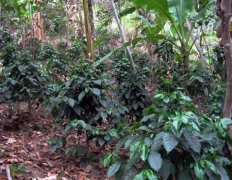
The production of coffee beans with basic knowledge of fine coffee
Coffee trees take 3-5 years from planting to fruiting. 6-10 years of coffee trees are the most likely to bear fruit, about 15-20 years, is the harvest period. Coffee trees are usually bred in nurseries and grow into saplings, and then moved to coffee farms a year later, in full compliance with the way the Arabs planted and cultivated coffee trees. Coffee trees will continue to take root downward and upward in the first four or five years of their growth.

A brief introduction to the Life process of Coffee beans
Coffee trees take 3-5 years from planting to fruiting. 6-10 years of coffee trees are the most likely to bear fruit, about 15-20 years, is the harvest period. Coffee trees are usually bred in nurseries and grow into saplings, and then moved to coffee farms a year later, in full compliance with the way the Arabs planted and cultivated coffee trees. Coffee trees will continue to take root downward and upward in the first four or five years of their growth.

Introduction to the Variety characteristics of Brazilian Coffee Bean picking season-planting Environment Flavor description method
Brazilian Coffee Bean picking season-planting Environment Flavor description treatment Variety characteristics A coffee tree's vigorous production period usually lasts about 15 years, of course, some trees are still fruitful for 20 or 30 years. As soon as the coffee tree loses its ability to bear fruit, it will be cut down on the spot and uprooted so as not to compete for nutrients with other trees that are still strong and can bear fruit. Coffee production is related to the types and types of coffee trees

Barista course
Climate is the decisive factor for coffee cultivation. Coffee trees are only suitable for growing in the tropics or subtropics, so the zone between latitude 25 degrees south and north is generally called

The production process of high-grade Qimen Gongfu black tea what is the difference between the flavor characteristics of smoked Qimen Gongfu tea and that of non-smoking
After a few hours' bus ride, I found myself in a small mountain village. A friend of mine who grew up here kindly offered to be my guide for the past two days. Many pickers came back from the tea garden and their baskets were full of small and tender tea. There are other people next to their store, each of them
Introduction to Coffee Tree
The planting and regional distribution of coffee trees, coffee trees belong to the evergreen trees of the subgenus Rubiaceae in botany, while coffee beans, commonly known as coffee beans, are actually the seeds of the fruit of coffee trees, just because they are shaped like beans, so they are called coffee beans.
Fine Coffee Encyclopedia barista course
The formation environment of coffee trees in botany, coffee trees belong to the evergreen trees of the subgenus Rubiaceae, and coffee beans, commonly known as coffee beans, are actually the seeds of the fruit of coffee trees, just because they are shaped like beans, so they are called coffee beans. Climate is the decisive factor for coffee cultivation. Coffee trees are only suitable for growing in the tropics or subtropics, so the zone between latitude 25 degrees south and north is generally called

What's so special about coffee treated with Essex and Shifei honey? Introduction to the treatment process of Koke cleaning Station
Country of origin: Ethiopia region: Yega Chuefei production Unit: Koke cleaning Station small Farmer donor varieties: Jiulumi, Degas, Voriso treatment: honey treatment harvest: November to March cup test: Jasmine, peach, blueberry, coconut Yirgacheffe literally translated as the land of many springs, with ideal topography, elevation and water sources, it can produce and process high quality
Introduction to Coffee trees
First, the planting and regional distribution of coffee trees. Botanically, coffee trees belong to the subgenus Rubiaceae, but coffee beans, commonly known as coffee beans, are actually the seeds of the fruit of coffee trees, just because they are shaped like beans, so they are called coffee beans. Climate is the decisive factor for coffee cultivation. Coffee trees are only suitable for growing in the tropics or subtropics, so the latitude between south and north is between 25 degrees.
Coffee harvest time manually picked coffee beans
The vast majority of coffee is hand-picked. In order to ensure the quality of coffee, the picker needs to identify which fruits are suitable for harvest and pick them from the trees one by one, which takes a lot of energy and time. In this era of technology, such a human hand work is precious. (Due to different planting areas, the receiving time will also change)